Managing Type 2 Diabetes (T2D) is often a delicate balancing act. Between monitoring carbohydrate intake, increasing physical activity, and managing medication, many patients are left searching for a natural way to achieve better glycemic control. One of the most critical metrics in this journey is HbA1c—a measure of your average blood sugar levels over the past two to three months. While many supplements promise results, few have the clinical backing and historical precedent of camel milk. Known in the desert as “White Gold,” camel milk is increasingly recognized by modern science as a potent tool for blood sugar stability and metabolic health.
For those struggling with insulin resistance or fluctuating glucose levels, the primary goal is often lowering HbA1c naturally to reduce the risk of long-term complications. Recent research, including our 2025 report published on Zenodo (DOI 10.5281/zenodo.17184240), highlights how camel milk provides a unique, bio-active solution to these metabolic challenges. If you are looking to fortify your diabetic diet with a research-first approach, the decision to buy camel milk could be the turning point in your management strategy.
Understanding HbA1c and the Challenge of Glycemic Control
HbA1c, or glycated hemoglobin, occurs when sugar in your bloodstream sticks to the hemoglobin in your red blood cells. Because red blood cells live for about three months, this test provides a snapshot of your long-term glucose management. For Type 2 diabetics, keeping this number under 7% (or as recommended by a clinician) is essential for protecting the kidneys, eyes, and cardiovascular system.
The challenge with T2D is often insulin resistance—where the body’s cells no longer respond effectively to the insulin produced by the pancreas. This leads to chronic hyperglycemia (high blood sugar). Traditional cow’s milk, while a staple for many, can be problematic for diabetics due to its high glycemic index (in some processed forms) and allergenic proteins that trigger inflammation. Camel milk, however, offers a completely different metabolic profile, characterized by its low glycemic index and specialized bioactive compounds.
The 52-Unit Secret: Natural Insulin-Like Proteins
What sets camel milk apart from any other dairy source is its concentration of natural insulin-like proteins. Scientific analysis has revealed that camel milk contains approximately 52 units of insulin-like activity per liter. This is not a mere trace amount; it is a functional concentration that has been observed to exert a hypoglycemic effect in clinical settings.
However, the presence of these proteins is only half of the miracle. Most insulin-like peptides found in other foods are destroyed by the acidic environment of the human stomach before they can reach the bloodstream. Camel milk is unique because it does not coagulate in the acidic environment of the stomach. Its proteins remain in a liquid state, allowing them to pass quickly into the small intestine where they are absorbed intact. This “gastric bypass” mechanism is why using camel milk powder as a daily supplement can lead to measurable improvements in blood sugar stability.
Clinical Evidence: Lowering Fasting Glucose and HbA1c
The medical authority of camel milk for T2D management is supported by randomized controlled trials (RCTs) and systematic reviews. Our research distillations from PubMed indicate that Type 2 patients who incorporate camel milk into their routine often experience a significant drop in fasting blood glucose levels. In a double-blind RCT lasting just four weeks, participants using camel milk powder saw a significant improvement in 2-hour post-meal glucose levels compared to those using cow milk powder.
More importantly, longer-term studies focused on HbA1c have shown that consistent consumption over 3 to 6 months can lead to a sustained reduction in average glucose levels. These findings are particularly relevant for those looking for a natural adjunct to their prescribed therapy. By providing the body with an external source of insulin-like support that is absorbed naturally, camel milk helps lower the metabolic “load” on the pancreas, allowing for better overall glycemic control.
The Low GI Advantage: Metabolic Health and Blood Sugar Stability
For any Type 2 diabetic, the Glycemic Index (GI) of their food is a primary concern. Foods with a high GI cause a rapid spike in blood sugar, followed by a sharp crash, which worsens insulin resistance over time. Camel milk is naturally a Low GI food. It provides a slow, steady release of energy without the dangerous “spikes” associated with other beverages.
Beyond its low GI, camel milk supports metabolic health through the stimulation of GLP-1 (Glucagon-like peptide-1). GLP-1 is a hormone produced in the gut that helps regulate insulin secretion and slows down gastric emptying, making you feel fuller for longer. This natural stimulation of the GLP-1 pathway is one reason why many individuals report better weight management and reduced cravings when they switch to camel milk. Stability is the foundation of recovery, and camel milk provides that foundation in every glass.
Improving the Lipid Profile: Cholesterol and Heart Health
Type 2 Diabetes rarely exists in a vacuum; it is often part of a broader metabolic syndrome that includes high cholesterol and triglycerides. Cardiovascular health is a major concern for T2D patients, as chronic high blood sugar can damage the blood vessels. A 2023 systematic review and meta-analysis confirmed that camel milk consumption is associated with a healthier lipid profile.
Participants in long-term studies showed reductions in total cholesterol, LDL (the “bad” cholesterol), and triglycerides, alongside increases in HDL (the “good” cholesterol). These benefits are attributed to the unique fatty acid profile of camel milk, which is higher in unsaturated fats and lower in saturated fats than cow’s milk. By addressing both blood sugar and lipid levels, camel milk offers a comprehensive approach to metabolic wellness.
Anti-Inflammatory Power: Reducing Insulin Resistance at the Source
Modern science now understands that Type 2 Diabetes is, at its core, a state of chronic low-grade inflammation. This inflammation interferes with the insulin receptors on the surface of your cells, preventing sugar from entering and being used for energy. Camel milk is rich in anti-inflammatory cytokines and protective proteins like Lactoferrin and Immunoglobulins (IgG).
Lactoferrin, often called “White Gold,” has been shown to reduce oxidative stress and inhibit the inflammatory triggers that drive insulin resistance. By calming the body’s immune response and reducing the “oxidative burden” on your cells, camel milk helps your own insulin work more effectively. This is not just about masking symptoms; it is about addressing the underlying biological environment that contributes to the progression of T2D.
Quality and Bioactivity: The CamelWay Difference
When using camel milk as a therapeutic tool for lowering HbA1c, the processing method is the most critical factor. The delicate insulin-like proteins and immunoglobulins that provide metabolic support are highly sensitive to heat. Standard high-temperature pasteurization or industrial drying can denature these proteins, rendering them useless for glucose management.
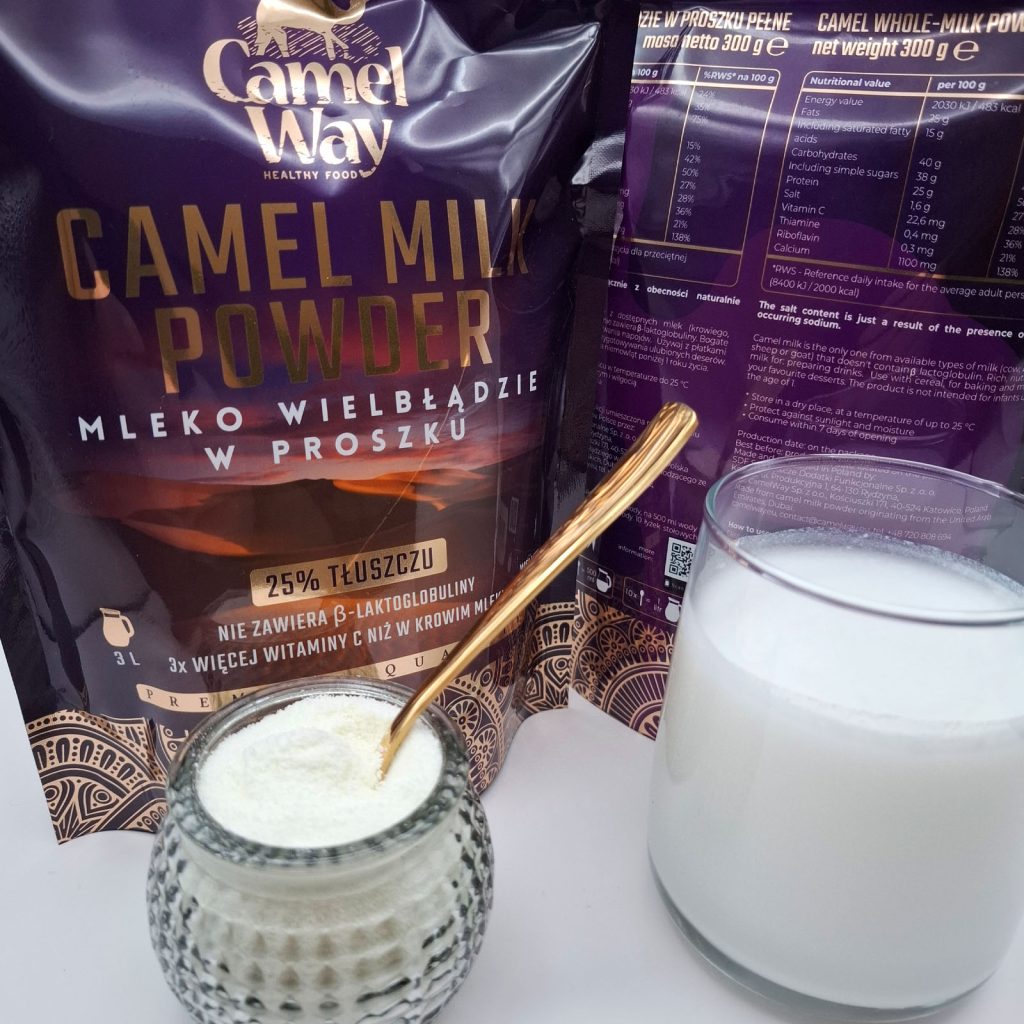
At CamelWay, we prioritize the biological integrity of our product. We use advanced Low-Temperature Spray Drying to ensure that the “White Gold” remains bio-active and functional from the farm to your table. Our milk is sourced from elite herds and strictly tested to EU standards. When you choose our camel milk powder, you are getting a clean, non-GMO source of nutrition that is structurally identical to fresh milk. This commitment to quality is what makes CamelWay the preferred choice for health-conscious families across Europe.
Practical Tips for Managing Type 2 Diabetes with Camel Milk
To achieve the best results in blood sugar stability and HbA1c reduction, consistency is key. Here is how to integrate camel milk into your daily management plan:
- Dosage and Timing: Most clinical trials utilized approximately 500ml of reconstituted camel milk daily. We recommend splitting this into two servings—one with your morning meal and one as a mid-afternoon or evening snack.
- Correct Preparation: To protect the insulin-like proteins, always mix two tablespoons (20g) of CamelWay powder with warm water (approx. 40°C). Avoid boiling water, as high heat will destroy the bioactive benefits.
- Monitor Your Progress: Keep a log of your fasting and post-meal glucose levels. Many people see a more stable profile within 4 to 8 weeks.
- Consult Your Healthcare Provider: Always discuss any major dietary changes with your doctor, especially if you are taking glucose-lowering medications, to ensure your plan is optimized for your specific needs.
Conclusion: A Natural Step Toward Better Glycemic Control
Type 2 Diabetes management does not have to rely solely on synthetic interventions. By understanding the science of the BCM-7 factor, the role of natural insulin-like proteins, and the power of a low-GI diet, you can take proactive steps toward lowering your HbA1c naturally. Camel milk offers a research-backed, bio-identical solution that supports your body’s own metabolic processes while protecting your long-term cardiovascular and neurological health.
At CamelWay, we are dedicated to providing the highest quality camel milk to help you achieve your wellness goals. Join the community of thousands who have experienced the transformative power of this ancient superfood. Experience the stability, energy, and health that comes with premium desert nutrition.
Are you ready to take control of your metabolic health? Buy camel milk today and discover why CamelWay is the gold standard for science-backed diabetic support.